styling
What Colour Handbag Goes With Everything? 6 Versatile Colours Explained
The most versatile handbag colour is the one that repeats the undertones already in your wardrobe. Here is how six easy-to-style shades change the mood of an outfit.
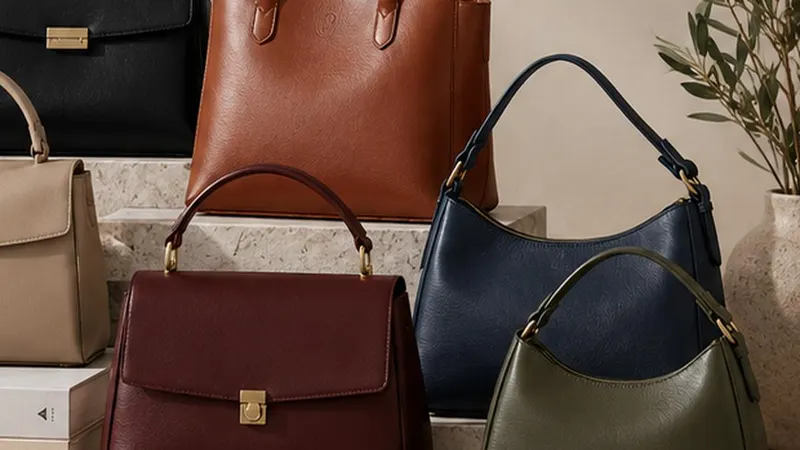
Decision this guide answers: Choose a handbag colour that can move between most of your everyday outfits without making every look feel the same.
A handbag that “goes with everything” does not have to disappear into every outfit. The more useful goal is a colour that connects easily to the clothes you already wear, while still giving you enough contrast to make an outfit feel intentional.
That is why the answer is not automatically black. A black bag can be exceptionally versatile in a wardrobe built around black trousers, dark denim, white shirts and cool-toned tailoring. In a softer wardrobe full of cream, camel, faded denim and olive, a cognac or taupe bag may do the same job with less visual weight.
The six colours below are versatile for different reasons. Think of them as styling tools rather than rules: some ground an outfit, some soften it, and some add restrained colour without becoming difficult to repeat.
Start with the colours already doing the work in your wardrobe
Before choosing a handbag colour, look at the pieces you repeat most often: shoes, coats, trousers, denim and everyday knitwear. Those large or frequently repeated pieces usually tell you more than a single favourite top.
Three variables matter most:
- Temperature: warm wardrobes lean towards cream, camel, tan, rust and olive; cool wardrobes lean towards optic white, charcoal, navy, blue-grey and black.
- Depth: dark bags feel more anchoring and formal; light bags feel softer and often more seasonal.
- Contrast: a bag can blend with the outfit or deliberately break it up. Neither is more correct; they simply create different effects.
If your wardrobe is mixed, a mid-depth colour such as taupe, burgundy or softened brown can be easier to move between seasons than either stark black or very pale cream.
1. Black: the sharp, high-contrast neutral
Black is the easiest handbag colour when your wardrobe already contains black elsewhere. It repeats black shoes, belts, sunglasses, tailoring and outerwear, which makes the bag feel connected even when the rest of the outfit is colourful.
With white, grey and denim, black creates a clean outline. With evening clothes, it also tends to read more polished because the depth of the colour adds definition. That same strength can be its trade-off: against airy linen, pale beige or soft pastels, a large black bag may become the heaviest object in the outfit.
To soften black for daytime, reduce the formality elsewhere. Try it with washed denim, a relaxed shirt, trainers or a textured knit rather than matching it only with equally structured pieces. A smaller black shoulder bag also feels lighter than a large, rigid tote.
Black works especially smoothly with: white, grey, navy, cobalt, red, denim, silver-toned accessories and other black leather pieces.
2. Brown and cognac: the warm wardrobe connector
Brown is often more adaptable than black in wardrobes built around natural fibres and warm neutrals. Cognac in particular sits comfortably between beige and dark brown, so it can echo tan shoes without requiring an exact match.
The reason it works is tonal continuity. Cream knitwear, blue denim, camel outerwear and brown leather all share a softer visual temperature than a stark black accent. A brown bag therefore tends to look integrated rather than imposed.
For work, choose a deeper chocolate or structured medium brown to keep the effect polished. For weekends, cognac and saddle brown feel easier with denim, cotton, suede and relaxed silhouettes.
Brown does not have to be paired only with warm colours. Navy and light blue are particularly effective because the cool blue creates enough contrast while the brown keeps the outfit grounded.
Brown works especially smoothly with: cream, camel, denim, navy, olive, rust, forest green and gold-toned jewellery.
3. Beige and taupe: the soft neutral that lightens an outfit
A beige handbag can make an outfit feel lighter without adding another strong colour. It is useful with spring and summer dressing, but a taupe or mushroom version can also work year-round because it has enough grey or brown in it to sit beside darker layers.
The key is undertone. Yellow-beige looks most natural with camel, ivory and warm browns. Greige and mushroom are quieter around charcoal, black and cool denim. If you want one pale bag to cross both sides of your wardrobe, taupe is often easier than a very creamy beige.
Light bags also change proportion. A pale bag against dark clothing creates a focal point, while the same bag against cream trousers or a trench blends into a longer, softer line. If the outfit already contains several pale neutrals, add definition through shoe colour, sunglasses or jewellery rather than forcing the bag to provide all the contrast.
Beige and taupe work especially smoothly with: cream, stone, camel, black, denim, soft grey, dusty pastels and tonal neutrals.
4. Burgundy: the colour that behaves almost like a neutral
Burgundy is useful when black feels predictable but a bright colour feels too specific. Because it is deep and muted, it has the visual weight of a neutral while still introducing colour.
It is particularly effective with navy, charcoal and black because the red undertone adds warmth without creating a loud contrast. Against camel and cream, burgundy becomes richer and more autumnal. With denim, it works almost like brown leather but feels slightly more dressed.
For evening, a compact burgundy bag can replace black without making the outfit difficult to accessorise. For daytime, pair it with one relaxed element — denim, flat shoes, knitwear or a soft coat — so the colour does not automatically read as formal.
If you wear lipstick, nail colour or scarves in berry tones, burgundy is also easy to repeat subtly without matching the handbag exactly.
Burgundy works especially smoothly with: black, navy, camel, cream, grey, denim, olive and muted pink.
5. Navy: the quieter alternative to black
Navy gives many outfits the same grounding effect as black, but with less contrast. It is especially useful if you wear a lot of denim, blue shirting, grey tailoring or white trainers.
The common worry is whether navy can be worn with black. It can. The combination looks deliberate when there is a clear difference between the two shades and the outfit repeats one of them elsewhere. A navy bag with black trousers, for example, feels more resolved if the top contains blue or the outer layer is navy.
Navy also works well in professional wardrobes because it is dark enough to feel structured without making every light outfit look sharply outlined. In summer, it pairs naturally with white, ecru and tan.
Navy works especially smoothly with: white, grey, denim, camel, tan, burgundy, pale blue and black.
6. Olive: the understated earthy neutral
Olive is the least conventional option here, but it can be remarkably reusable because it sits between green, brown and grey. That muted quality allows it to support an outfit rather than dominate it.
Olive is particularly strong with cream, tan, denim, black and brown. It also works with muted reds and burgundies because the colours are complementary without being bright. If your wardrobe contains utility jackets, khaki trousers, suede or earthy knitwear, an olive bag can connect those pieces without looking overtly “green”.
The easiest olive shades are medium to deep and slightly greyed. Very bright military green behaves more like a statement colour and will be less universal.
Olive works especially smoothly with: cream, camel, brown, black, denim, burgundy, rust and gold-toned accessories.
How to choose between black, brown, beige and burgundy
If you are deciding between the four most common options, use the outfit effect you want rather than asking which one is universally best.
Choose black when you want definition, polish and an easy connection to black shoes or tailoring. Choose brown when you want warmth and an effortless link to denim, camel and earth tones. Choose beige or taupe when you want to soften dark outfits or keep light outfits airy. Choose burgundy when you want one bag to function almost like a neutral while still adding visible colour.
Another useful test is to imagine the bag with your three most repeated outfits. If it works with all three without forcing you to change your shoes or outerwear, it is probably versatile for your wardrobe — even if another colour is more commonly described as a classic.
Let the bag change the mood, not dictate the outfit
Versatility is not only about colour matching. Shape, finish and scale can make the same colour feel completely different. A soft brown hobo reads relaxed; a structured brown top-handle reads more formal. A glossy black mini bag can feel evening-ready, while a matte black crossbody feels practical and casual.
That means you do not need to make every accessory match. Instead, aim for one or two points of connection: similar colour depth, a repeated metal tone, a related leather finish, or a colour that already appears elsewhere in the outfit.
The most wearable handbag is ultimately the one that supports your existing wardrobe and gives you useful contrast when you want it. Black, brown, beige, burgundy, navy and olive can all do that — just in different ways.
Frequently asked questions
What color handbag goes with everything?
There is no single shade that is equally versatile for every wardrobe. Black is especially easy with monochrome and cool-toned outfits, brown and cognac sit naturally with denim and earth tones, and taupe or beige can bridge warm and cool palettes. The strongest choice is usually the neutral or near-neutral that repeats colours you already wear often.
Is a black or brown handbag more versatile?
Black creates a sharper, more graphic finish and works especially well with black shoes, tailoring and high-contrast outfits. Brown feels softer and often blends more easily with cream, denim, camel, olive and warm-weather clothing. If your wardrobe is mostly cool and monochrome, black may integrate more easily; if it is warm and earthy, brown often does.
Does a beige handbag go with everything?
Beige is highly adaptable, but undertone matters. A warm camel-beige can look disconnected beside icy greys, while a mushroom or taupe-beige usually crosses warm and cool palettes more smoothly. It is particularly useful when black feels too heavy for a light outfit.
Can burgundy work as an everyday handbag colour?
Yes. Deep burgundy behaves almost like a neutral because it is muted rather than bright. It pairs comfortably with black, navy, camel, cream, grey, denim and olive while adding more depth than a basic neutral.
Should a handbag match shoes?
It does not need to match exactly. Repeating either the temperature, depth or polish level is often enough: for example, a dark brown bag with tan loafers, or a burgundy bag with black boots and a burgundy lip. Exact matching can look polished, but coordination usually feels more natural than a perfect set.
Styling inspiration
-
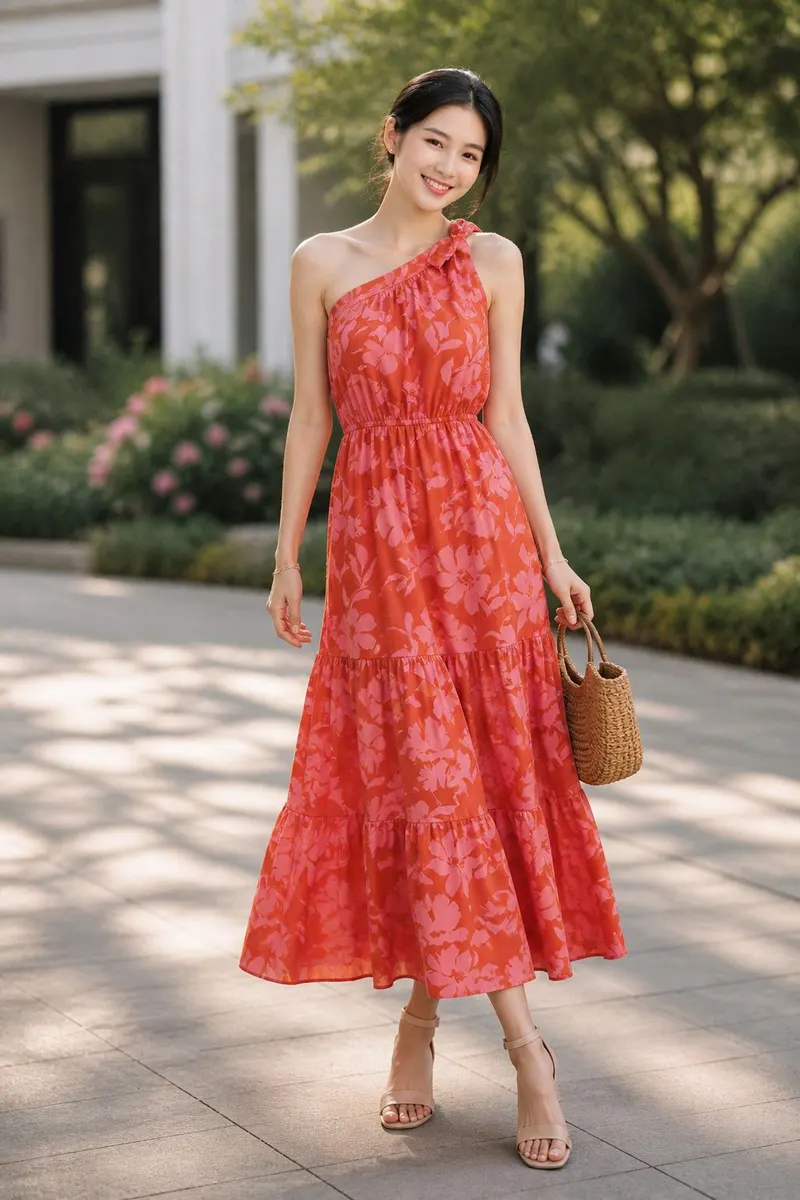
Vibrant Floral One-Shoulder Maxi Dress for Effortless Summer Elegance
-
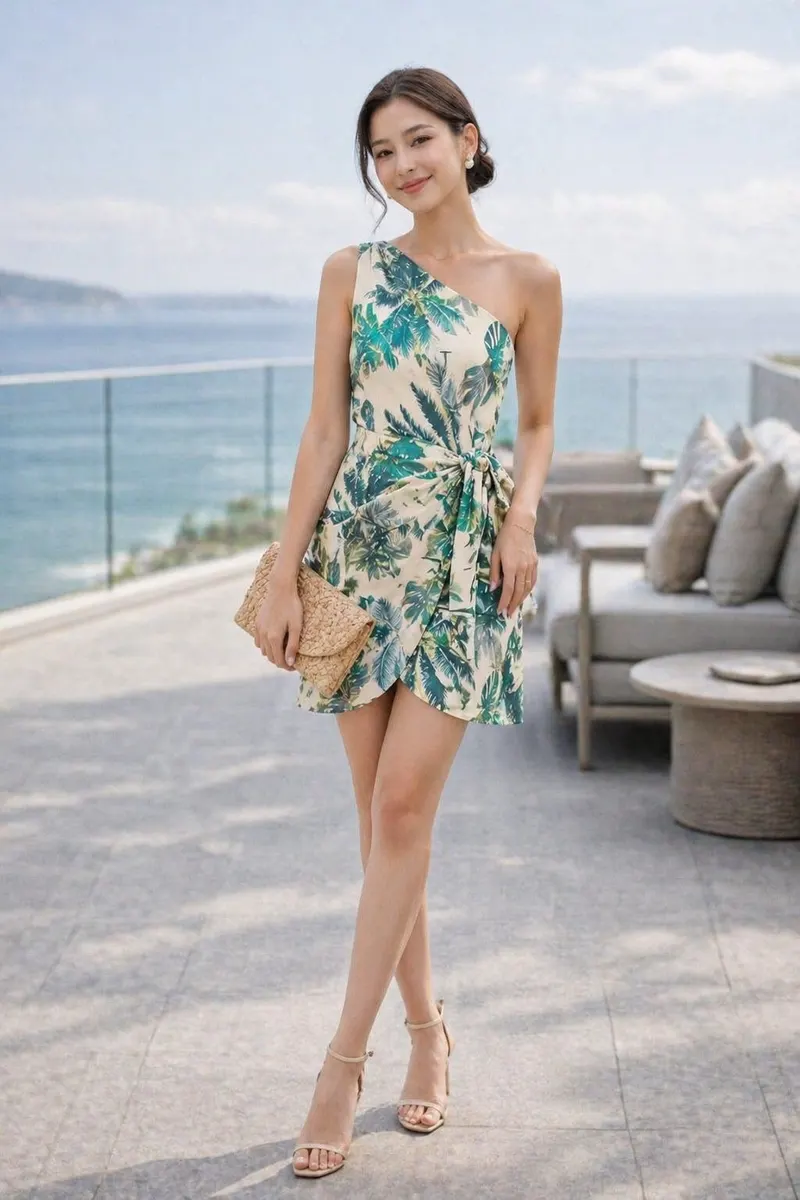
Tropical One-Shoulder Mini Dress Outfit: A Polished Resort Look for Summer Escapes
-
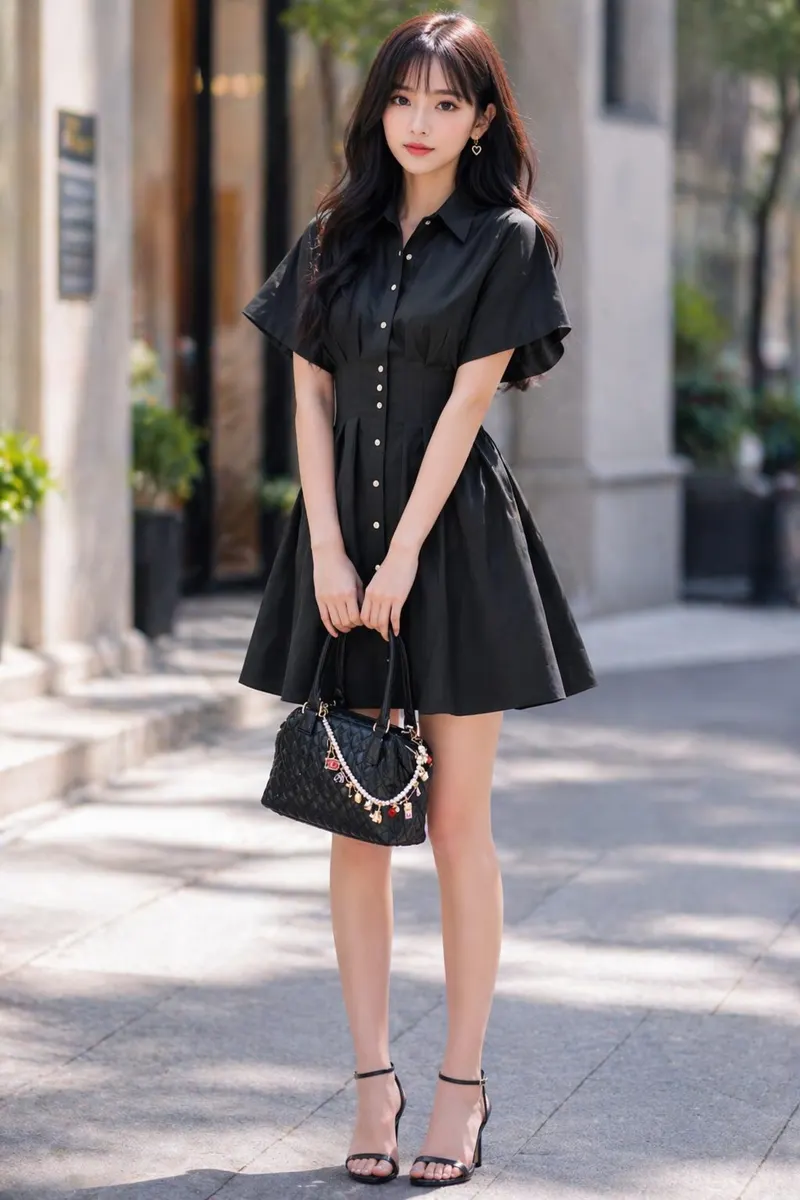
White Ruched Off-Shoulder Top and Light Wash Denim Outfit for Soft Feminine Street Style
-
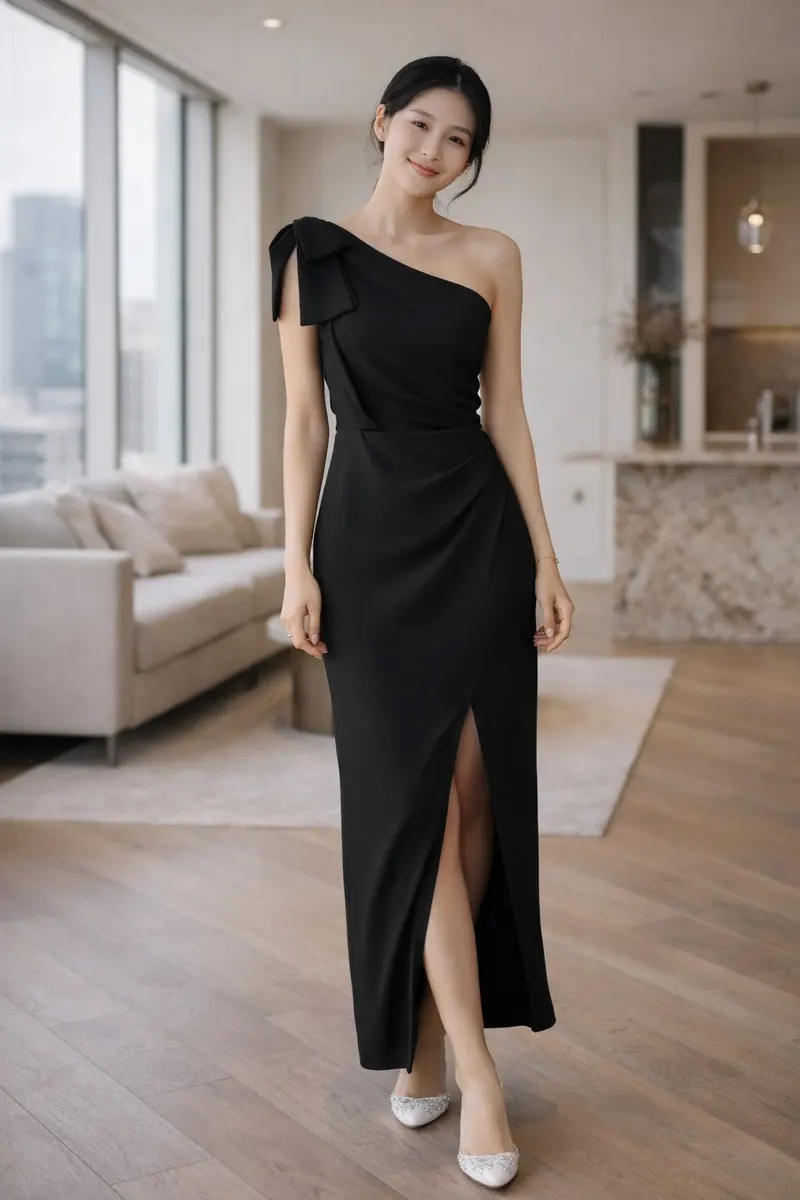
Black One-Shoulder Evening Dress Style Inspiration for Modern Quiet Luxury
-
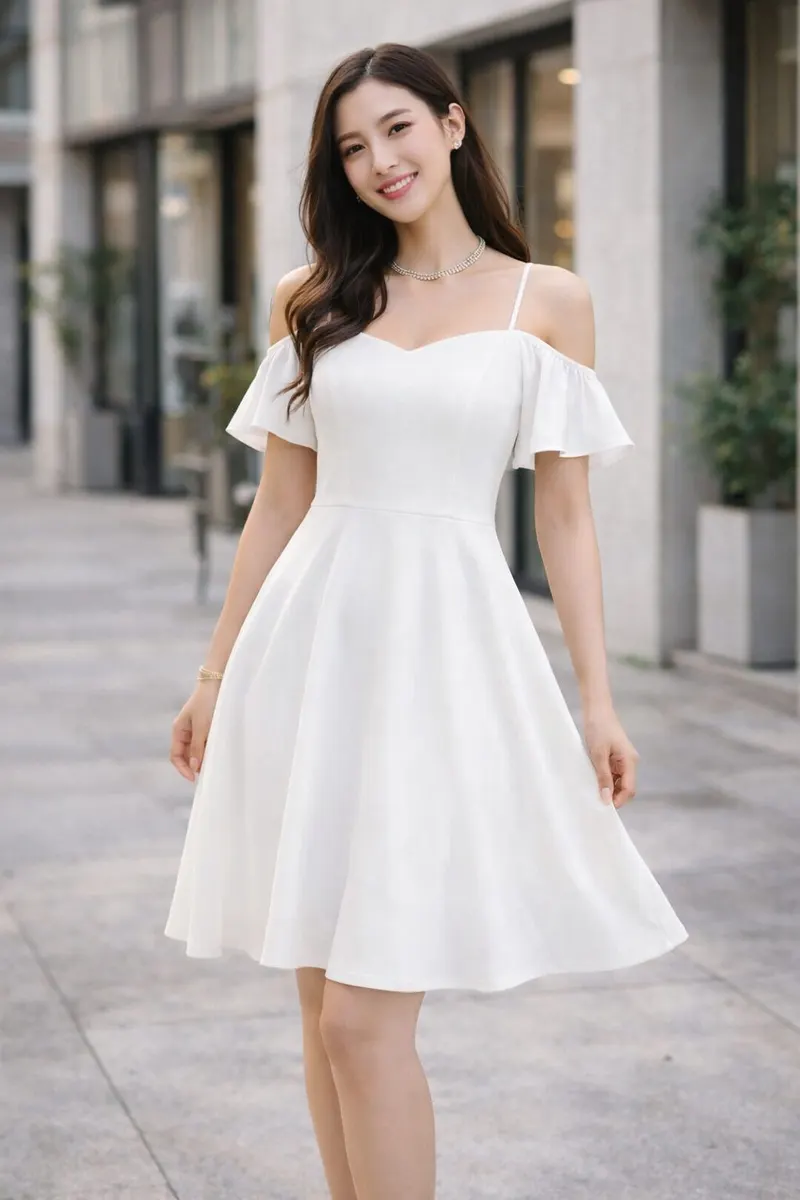
White Off-Shoulder Fit-and-Flare Dress for Elegant Summer Day Style
-
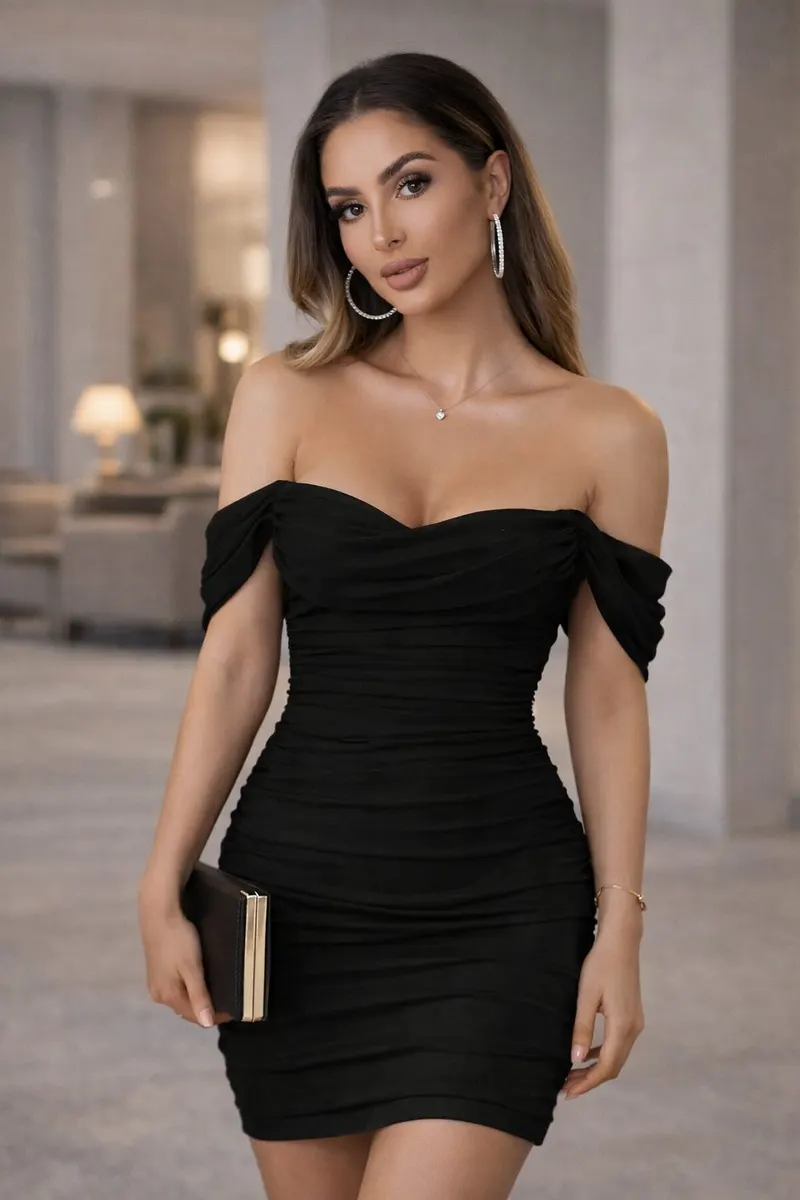
Off-Shoulder White Glam Look: Modern Evening Style with Soft Luxury Appeal
Sources
- Stylen editorial policy (accessed 2026-09-22) — Affiliate disclosure, AI usage, and recommendation standards