styling
How to Style a Brown Handbag: 8 Outfit Colour Combinations That Work
A brown handbag can warm up neutrals, soften black, ground denim and sit naturally beside earthy or muted colour. These eight formulas show how to make the shade feel intentional rather than merely matched.
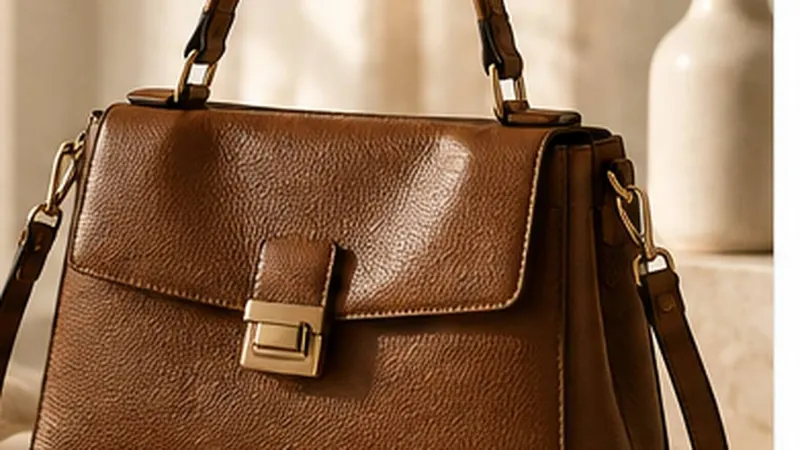
Decision this guide answers: Use the undertone and depth of a brown handbag to choose outfit colours that create either clean contrast, tonal harmony or a deliberate softening effect.
A brown handbag is easy to own and surprisingly easy to underuse. Its strength is not that it disappears into every outfit; it is that it adds warmth, depth and a little visual separation without behaving like a loud accent colour.
If you are wondering how to style a brown handbag, start with the bag’s particular brown. Cognac and tan read warmer and more casual. Chestnut sits in the middle and works across seasons. Espresso and chocolate feel deeper and often more polished. Once you notice that undertone, colour pairing becomes much simpler.
The eight combinations below are not rules. Think of them as formulas you can adjust to the clothes already in your wardrobe.
Start with the shade of brown and the amount of contrast
Before matching colours, decide whether you want the handbag to blend, warm or contrast.
A tan or cognac bag has visible golden warmth, so it tends to look especially natural beside cream, denim, olive and camel. A redder chestnut bag can connect beautifully with burgundy, navy and soft pink. Dark chocolate is almost a neutral shadow: it can replace black when you want a softer result, or sit beside black when you want subtle depth rather than obvious contrast.
Silhouette matters too. A slouchy brown shoulder bag makes even tailored colours feel more relaxed. A structured top-handle or clean rectangular bag pushes the same brown toward workwear and evening. In other words, colour sets the relationship, but shape helps decide the level of formality.
When an outfit feels too matched, add contrast. When it feels disconnected, repeat one quality from the bag elsewhere — warmth, texture, depth or metal hardware — instead of copying the exact brown.
8 outfit colour combinations that work with a brown handbag
1. Brown + cream or ivory: soft tonal contrast
Cream is one of the easiest partners for brown because both colours share warmth without becoming identical. A cream knit with ecru trousers and a medium-brown bag feels calm and considered; the bag adds enough depth to stop the outfit looking flat.
This formula works especially well when the clothing has texture: ribbed knitwear, linen, brushed wool, suede or soft cotton. The brown bag becomes the visual anchor while the lighter clothes keep the overall look airy.
Try it for: everyday outfits, smart casual lunches, travel days and transitional weather.
2. Brown + crisp white: cleaner and more modern
White creates a stronger edge than cream. Pairing a brown handbag with a white shirt, white T-shirt or white dress makes the leather tone look richer because the contrast is clearer.
If a tan bag sometimes feels rustic or vintage, white is one of the quickest ways to modernise it. Keep the rest of the look simple — blue denim, black trousers or a neutral skirt — and let the brown provide warmth.
Why it works: white brings brightness; brown stops the outfit from feeling stark.
3. Brown + black: warm against sharp
Brown and black do not have to match to belong together. In fact, the slight tension between them can make a minimal outfit more interesting.
With an all-black outfit, a cognac or chestnut bag acts almost like a soft accent colour. It breaks the block of black without introducing something bright. A dark-chocolate bag gives a subtler effect and is useful when you want the outfit to stay low contrast.
To keep the combination intentional, repeat warmth once: gold jewellery, tortoiseshell sunglasses, a camel coat or even warm-toned makeup can be enough. You do not need brown shoes as well.
Try it for: city outfits, work, dinner and pared-back evening looks.
4. Brown + denim blue: effortless everyday balance
Blue denim and brown leather are natural partners because the colours sit far enough apart to create contrast while both still feel familiar and relaxed.
A white tee, straight-leg jeans and a brown shoulder bag is the simplest version. To make it more polished, swap the tee for a blue shirt or add a navy blazer. For a softer weekend look, use faded denim with tan or cognac; for a sharper result, use dark indigo with chocolate brown.
The proportion can change the mood. A compact structured bag tidies up loose denim, while a larger slouchy bag reinforces an off-duty silhouette.
Why it works: denim cools down brown’s warmth, while brown gives blue more depth.
5. Brown + navy: understated and polished
Navy offers much of black’s structure but with a softer, slightly more traditional feel. Brown keeps navy from reading too uniform-like, particularly when the bag is medium brown rather than very dark.
Try navy trousers with a cream blouse and a chestnut handbag, or a navy knit dress with an espresso shoulder bag. Gold hardware tends to emphasise the warmth of the brown; silver hardware can make the same pairing feel cooler and more minimal.
Try it for: office dressing, travel, smart casual occasions and understated evening looks.
6. Brown + olive or khaki: earthy without becoming costume-like
Olive and brown sit close together in an earthy palette, so the risk is not clashing — it is becoming too tonal. The easiest fix is to add one cleaner neutral between them.
For example: olive trousers, a white shirt and a cognac bag. Or an olive jacket over a cream knit with dark denim and a chocolate crossbody. That lighter or cooler element gives the eye somewhere to rest.
If the outfit already includes heavy textures such as suede, corduroy or chunky wool, keep at least one piece smooth and simple so the result feels current rather than overly themed.
Why it works: olive echoes brown’s natural warmth, while white, denim or black prevents the palette from becoming muddy.
7. Brown + camel or beige: intentional tonal dressing
A brown handbag can sit inside a beige-and-camel outfit without disappearing if you vary the depth. Think light beige clothing with a medium or dark brown bag, or camel outerwear with an espresso bag.
Texture becomes more important when the colours are close. Smooth leather against wool, denim, cotton or knitwear creates separation even when the palette stays quiet.
You can also use a pale top close to your face and save the deepest brown for the bag and shoes. That keeps the tonal effect polished without making the whole outfit visually heavy.
Try it for: workwear, minimalist wardrobes and elevated everyday outfits.
8. Brown + burgundy or dusty pink: colour with shared warmth
Burgundy is a deeper, richer partner for brown, while dusty pink gives the same idea a softer direction. Both work because they contain warmth without simply repeating beige or tan.
A burgundy knit with black trousers and a medium-brown bag feels autumnal but still refined. To make the formula more seasonless, swap heavy fabrics for a white shirt, lighter trousers or a cleaner shoe. With muted pink, a chocolate bag can stop the palette becoming overly sweet and add useful visual weight.
If your brown bag has a noticeable red undertone, these combinations often feel especially cohesive because the colours share part of the same base.
Why it works: the colours relate through warmth, but their different depths keep the outfit layered.
Everyday formulas: denim, cream and olive
For daily dressing, brown is most useful when it acts as the grounding piece rather than the feature you build everything around.
A reliable formula is light top + denim + brown bag. The lighter top brightens the outfit, denim supplies cool contrast, and the handbag adds warmth. Change only the shoe and outer layer to shift the mood: trainers and a cardigan for relaxed days; loafers and a blazer for something sharper.
Another easy route is cream + olive + brown. Keep the cream near the face, use olive as the mid-tone and let the bag be the deepest warm element. This creates depth without needing many accessories.
If your wardrobe leans minimalist, try white + black + brown. The black and white provide structure, while the bag prevents the look feeling too graphic. This is also a useful formula when you want to carry a brown bag through spring or summer rather than reserving it for autumn.
Work and polished dressing: black, navy and camel
For work, the simplest way to make a brown handbag feel polished is to pair it with clothing that has a clear line: tailored trousers, a column dress, a blazer or a crisp shirt.
With black, use the bag to soften the outfit. A structured cognac or chestnut bag gives an all-black base a warmer focal point. With navy, brown feels quieter and often more traditional; cream or white between the two shades helps create definition. With camel, choose a bag that is noticeably deeper than the coat or trousers so the tones do not blur together.
You do not need to repeat brown in every leather accessory. Matching bag, belt and shoes exactly can look overly coordinated when the rest of the outfit is already formal. A more relaxed approach is to keep the leathers in the same temperature — warm or cool — while allowing different depths.
For example, a chocolate bag can work with black loafers, or a cognac bag with burgundy flats. The relationship matters more than an exact colour match.
Evening styling: use deeper brown and cleaner contrast
Brown can work after dark, but the styling usually benefits from cleaner lines and a little more contrast.
A dark-chocolate shoulder bag with a black slip dress creates a subtle tonal alternative to black-on-black. A structured chestnut bag can also work with navy tailoring or a burgundy dress, particularly when the hardware is simple and the bag is not overly casual in shape.
If the handbag is pale tan and very relaxed, the outfit may read more daytime. You can balance that by sharpening the other pieces: a sleek shoe, a more fitted silhouette or minimal jewellery. Alternatively, keep the casual bag and accept the softer mood rather than trying to force it into formal territory.
The useful question is not whether brown is “dressy enough”. It is whether the bag’s shape, finish and scale support the occasion.
Shoes, belts and jewellery: coordinate rather than copy
A brown handbag does not require brown shoes. In many outfits, repeating the exact leather shade can make the styling feel more deliberate than necessary.
Instead, coordinate through one of three links:
- Temperature: pair warm brown with cream, tan, oxblood or gold; pair cooler espresso with black, charcoal, navy or silver.
- Depth: let a dark bag connect with a dark shoe even if the colours differ.
- Texture: echo smooth leather with polished loafers, or contrast a structured bag with suede or knit texture elsewhere.
Black shoes are especially useful with brown bags because they keep the outfit grounded. White trainers make brown feel more casual and seasonless. Burgundy shoes can bridge brown with navy, black or cream. Metallic footwear can work for evening when you want the bag to stay neutral.
Jewellery is equally flexible. Gold emphasises brown’s warmth, but silver does not “clash” with brown; it simply creates a cooler, more modern contrast. Mixed metals can work particularly well when the bag hardware already includes a metal tone you do not want to duplicate exactly.
Common styling traps and how to simplify
The main risk with a brown handbag is not choosing the “wrong” colour. It is allowing too many similar warm elements to compete without enough contrast.
If an outfit feels too autumnal, remove one of the obvious seasonal cues. Replace rust with white, heavy suede with cotton, or a warm printed scarf with simple denim. Brown itself can stay.
If the look feels muddy, introduce a clearer light-dark break. Cream, white, pale blue or black can separate brown from olive, camel or burgundy.
If it feels over-matched, stop repeating the bag colour. Let the handbag be the only brown leather piece and choose shoes based on the outfit instead.
If it feels too casual, first change the silhouette rather than the colour. A structured coat, straight trouser, pointed shoe or cleaner neckline can raise the formality without replacing the bag.
And if the bag still feels disconnected, look at its undertone. A very orange cognac may need a cooler counterpoint such as navy or denim, while a deep reddish brown may sit more naturally with burgundy, dusty pink or black.
The most versatile way to style a brown handbag is to treat it as a warm neutral with personality. It can blend into camel and cream, sharpen against white, soften black, ground denim and connect with richer colours such as olive or burgundy. Once you decide whether you want contrast or harmony, the rest of the outfit becomes much easier to edit.
Frequently asked questions
What colours go with a brown purse?
Brown works especially well with cream, white, black, denim blue, navy, olive, camel, burgundy and muted pink. The easiest combinations either repeat brown's warm undertone or give it enough contrast to look deliberate.
Can I wear a brown handbag with black clothes?
Yes. A brown bag can soften an all-black outfit and make it feel less severe. Medium cognac and chestnut shades give the clearest contrast, while dark chocolate creates a quieter tonal effect.
Do my brown handbag and shoes need to match?
No. They can relate without being identical. Try repeating the bag's warmth through tan, oxblood, cream, black or metallic shoes, and keep the rest of the outfit coherent through texture or another repeated tone.
How can I style a brown handbag for evening?
Choose a cleaner silhouette and pair the bag with deeper colours such as black, navy or burgundy, then sharpen the look with a sleek shoe and simple jewellery. A darker brown usually reads more polished after dark than a pale tan.
How do I keep a brown handbag outfit from looking too autumnal?
Break up the warm palette with crisp white, light denim, cool grey, navy or a soft pastel. Lighter fabrics and cleaner silhouettes also make brown feel seasonless instead of tied to rust, mustard and heavy textures.
Styling inspiration
-
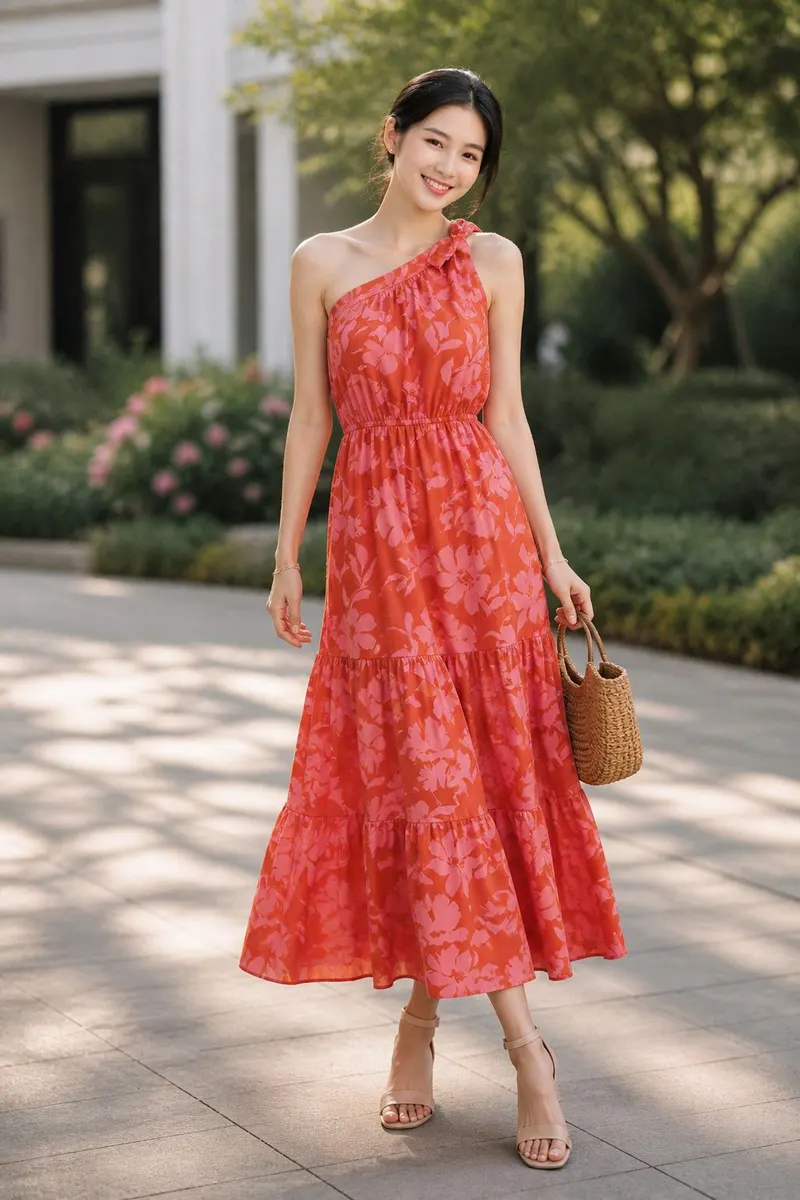
Vibrant Floral One-Shoulder Maxi Dress for Effortless Summer Elegance
-
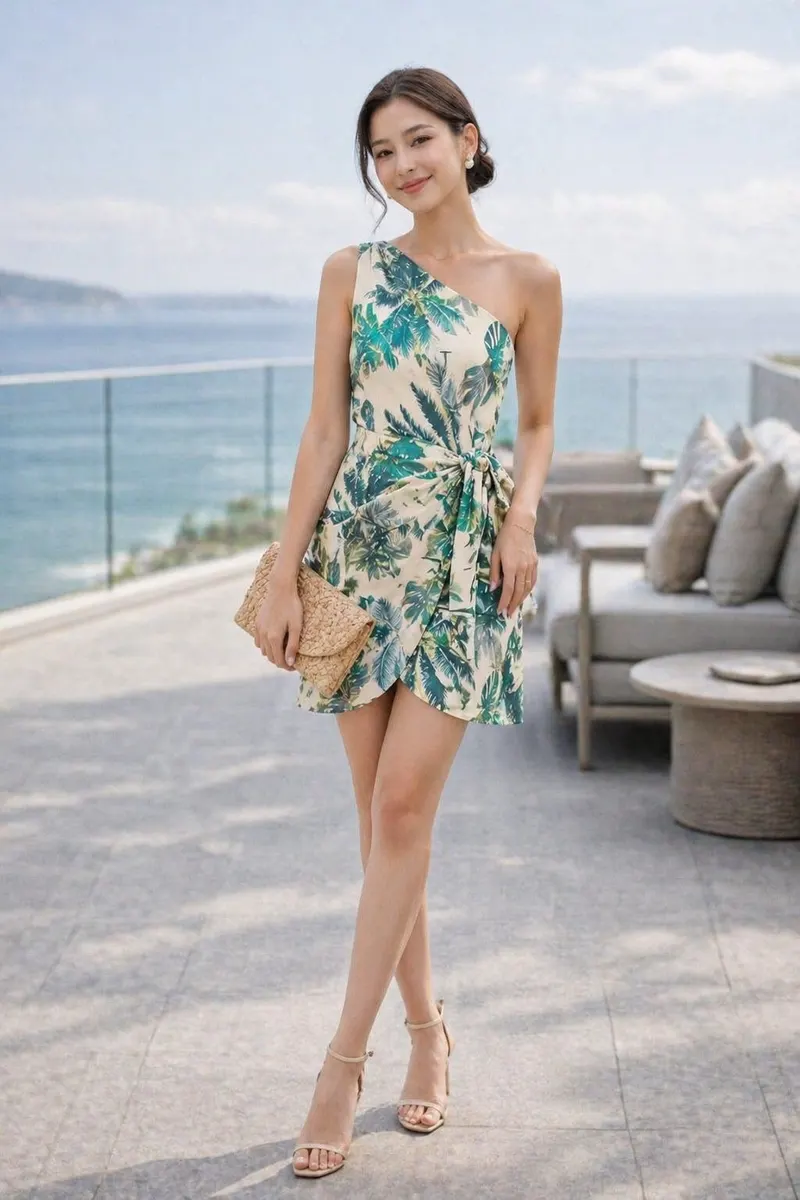
Tropical One-Shoulder Mini Dress Outfit: A Polished Resort Look for Summer Escapes
-
White Ruched Off-Shoulder Top and Light Wash Denim Outfit for Soft Feminine Street Style
-
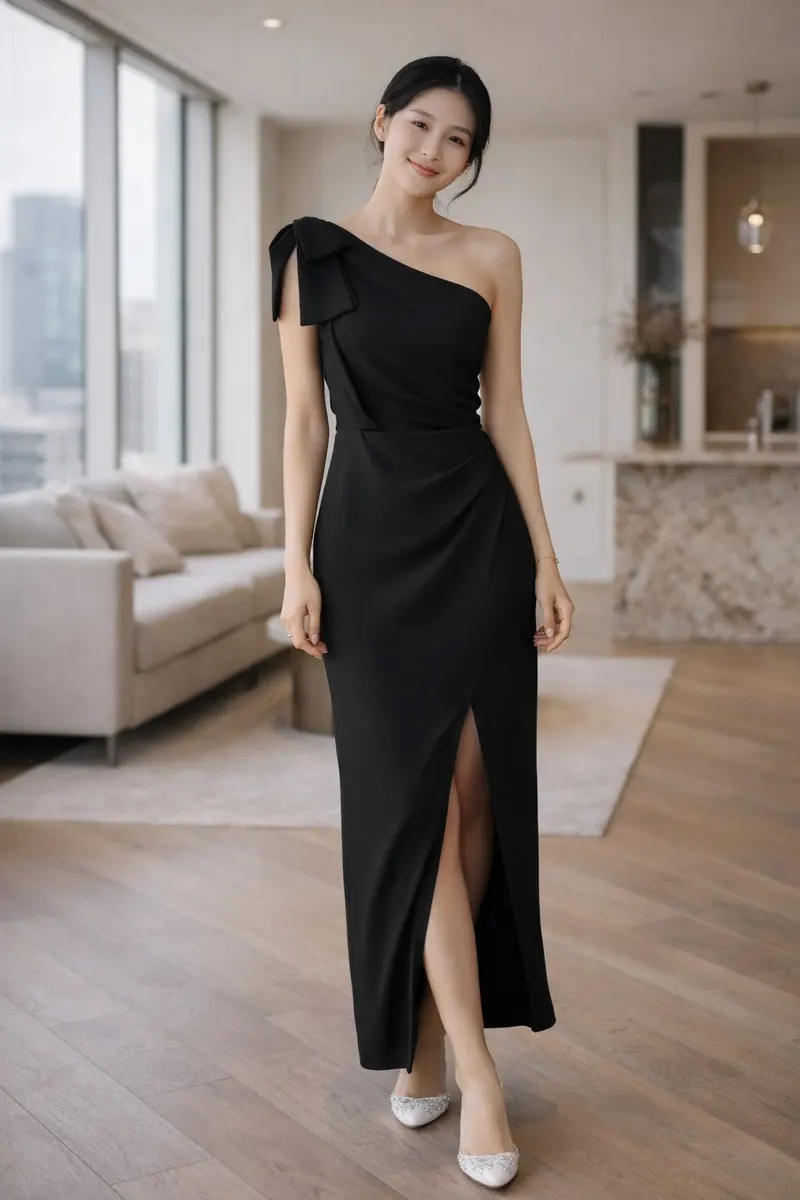
Black One-Shoulder Evening Dress Style Inspiration for Modern Quiet Luxury
-
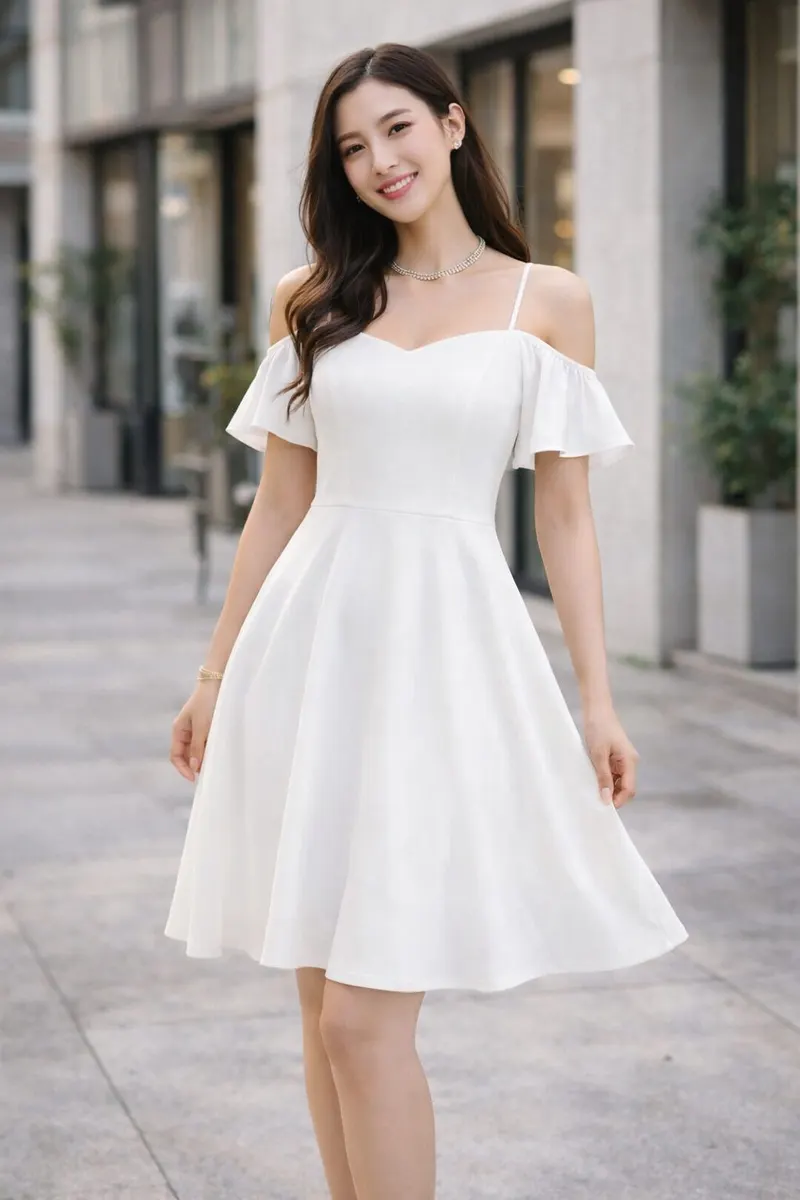
White Off-Shoulder Fit-and-Flare Dress for Elegant Summer Day Style
-
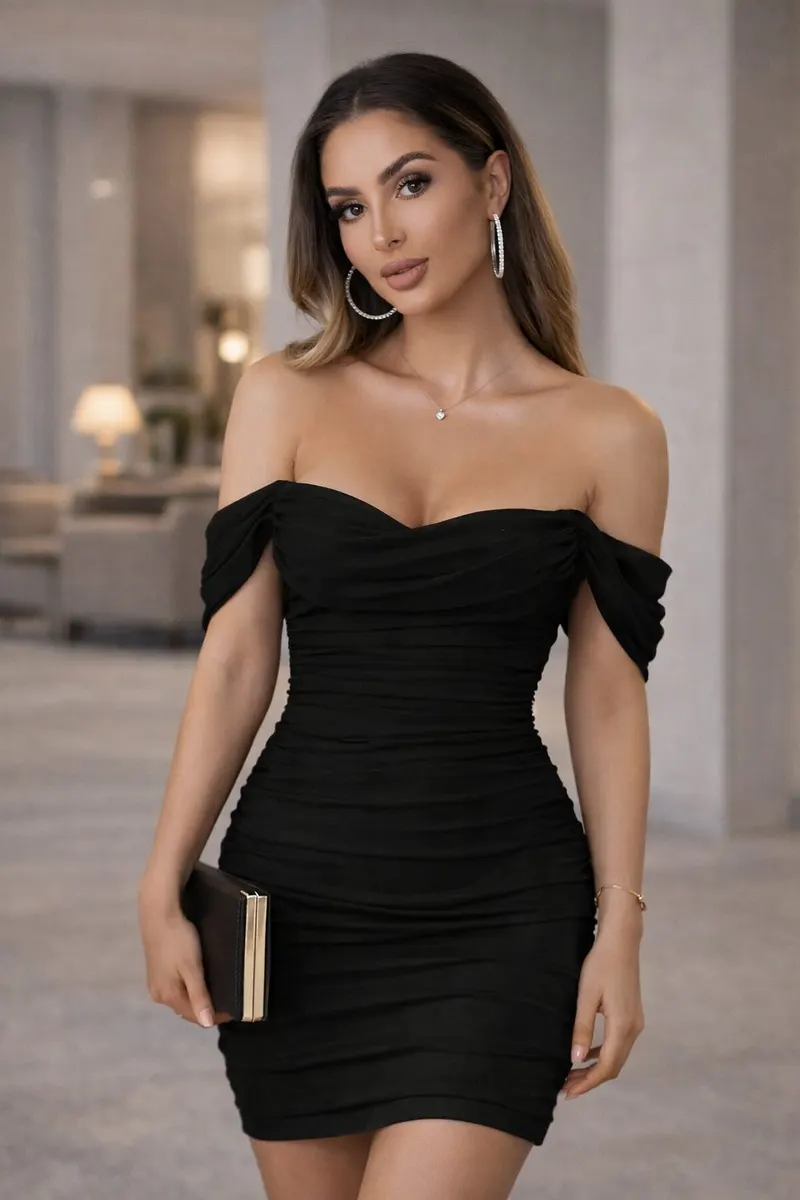
Off-Shoulder White Glam Look: Modern Evening Style with Soft Luxury Appeal
Sources
- Stylen editorial policy (accessed 2026-09-22) — Affiliate disclosure, AI usage, and recommendation standards