styling
Business Casual Outfits for Women: What to Wear and Why
Start with the expectations of your workplace, then use these 15 formulas to balance tailoring, softer layers and shoes that suit your day.
Decision this guide answers: Choose a business casual outfit that matches your workplace and day's meetings while keeping the fit, layers and footwear practical for you.
What does business casual mean for women?
Business casual outfits for women usually start with tailored pants, a skirt or a simple dress, then add a blouse, shirt or knit and flats, loafers or other workplace-appropriate shoes. A blazer is useful when you want more structure; it is not automatically required every day. Start with your employer’s dress code, because permission to wear jeans, sneakers or sleeveless tops varies.
The University of Tennessee’s career guidance includes cardigans, blouses, turtlenecks, slacks, skirts, flats and loafers among business casual options. It also distinguishes those separates from a matching business professional suit. That is a useful baseline, rather than a complete rulebook for every office.
For these formulas, business casual means work-focused separates with some flexibility. Smart casual can lean more toward social dressing, denim or statement accessories, depending on the setting. Business formal or professional generally calls for a more coordinated tailored outfit. The labels overlap: a blazer does not make every outfit formal, and changing one shoe does not establish an employer’s policy.
Before your first day, ask: “Are jeans and sneakers allowed, and do client-facing days have a different dress code?” For interviews, ask separately. American University’s career center recommends considering the event and industry, as well as your comfort and budget. Treat the combinations below as Stylen’s styling suggestions that you can adjust to those answers.
Which core pieces make the formulas easier?
Start with clothes you already have. One pair of straight-leg pants, one wider pair, two tops and a layer can make several distinct outfits without a full wardrobe replacement. Navy, gray, brown and black all work as starting colors; choose the one that connects most easily to your existing shoes.
Check fit in motion. Sit down, reach forward and walk in the complete outfit. Notice whether a shirt gaps, a waistband digs in, a skirt rides up or a pant hem catches under your heel. If tucking creates uncomfortable bulk, use a shorter untucked top or a smooth inner layer instead. No particular body shape needs to be hidden to look work-appropriate.
When you do need a piece, use our guides to blazers, wide-leg work pants and white button-down shirts to compare options. Shop the role you are missing, rather than buying an entire pictured outfit. The formulas describe generic pieces and do not depend on a particular label.
15 business casual outfit formulas to adapt
1. A blazer, fine knit and straight-leg pants for a first office day
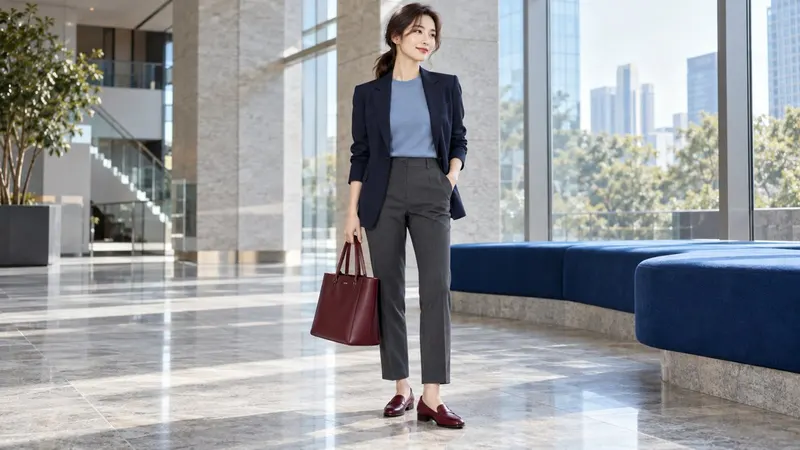
Wear a navy blazer over a blue crew-neck knit, charcoal ankle pants and burgundy loafers. A medium structured tote finishes the combination. The jacket gives the soft knit a defined edge, while straight pants keep the silhouette simple. This is a useful starting point when you know the office uses business casual but have not seen its everyday interpretation.
Swap the knit for an opaque blouse if the room runs warm. Keep the blazer easy enough to move in: a jacket that restricts your arms is an awkward trade for a sharper shoulder line.
2. A button-down shirt and wide-leg pants for a regular office day
Try a white shirt with navy wide-leg pants, black loafers and a rectangular shoulder bag. Tuck the shirt if you want to show the waistband, or wear a shorter cut untucked so the trouser shape remains visible. The shirt’s crisp collar balances the wider leg.
Choose a hem that clears the ground in the shoes you will actually wear. For a commute with stairs, a slightly shorter hem can be more practical than a long sweep. A soft blouse makes the same formula less crisp without changing the basic proportions.
3. A cardigan and tapered pants for a quieter workday
Pair a fine-gauge cardigan with a simple crew-neck shell, tapered gray pants, closed-toe flats and a small work tote. Keep the cardigan open for a vertical line or button it if the front lies flat. A hip-length version works well when you prefer an untucked inner layer.
This gives a softer outline for desk work or internal meetings. If the knit stretches out at the elbows or hangs unevenly, switch to a firmer cardigan or blazer. Our blazer-versus-cardigan comparison explains that choice in more detail.
4. A knit polo and tailored pants for hybrid days
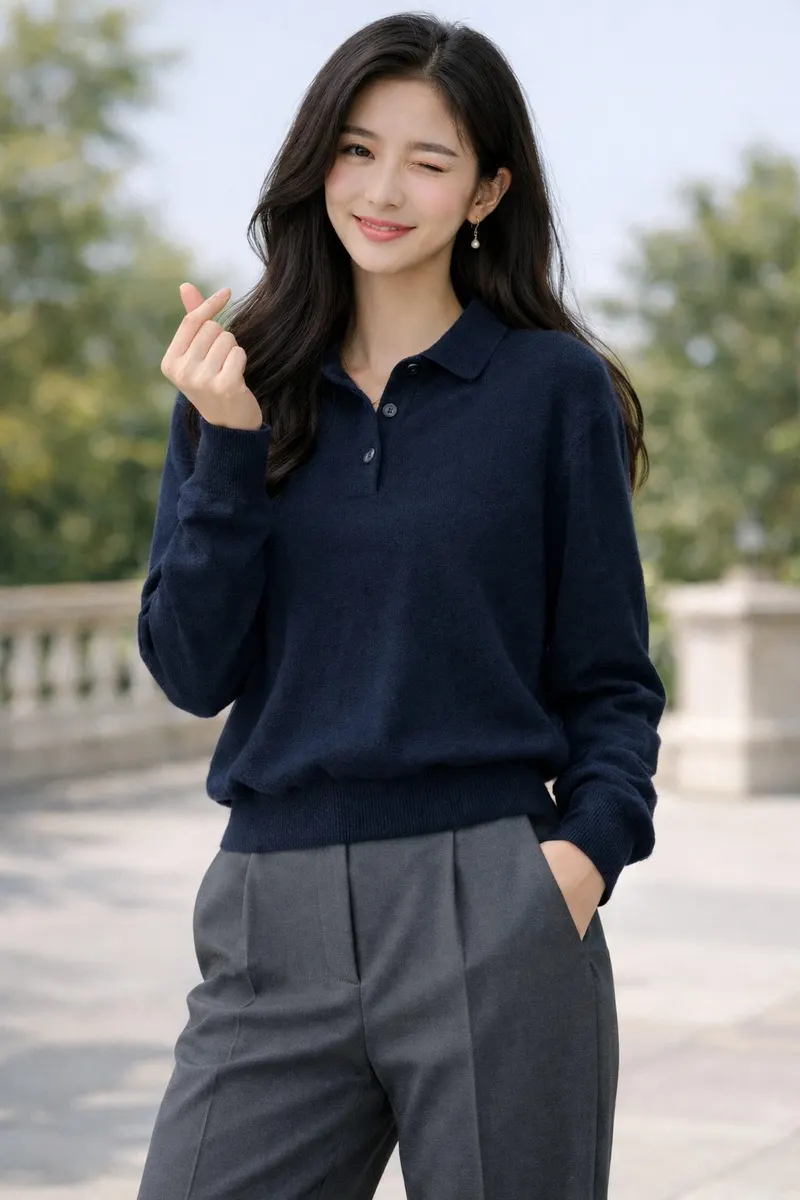
Choose a navy knit polo, gray pleated pants and loafers, with a compact tote for the laptop commute. The collar gives a soft top a clearer shape on screen; the trousers mean the outfit also works when a remote morning becomes an office afternoon.
Let the polo end near the waistband, or tuck it lightly if it is long. A loose hem over loose trousers can obscure the shape of both. Use a smooth crew-neck knit if collars bother you, and add a cardigan only when you need the warmth.
5. A blouse and midi skirt for meetings without a jacket
Wear an opaque blue blouse with a navy A-line midi skirt, flat loafers and a medium top-handle bag. A simple tuck or waistband-length blouse defines where the skirt begins; an A-line shape leaves room for sitting and walking. Try a restrained print if you prefer pattern to solid colors.
This is useful for an ordinary meeting day in an office that accepts skirts. A fuller skirt may catch wind on the commute, so try a straighter cut if that bothers you. Check movement and any slit while seated rather than judging length only in a mirror.
6. A sleeveless shell and light pants for warm weather
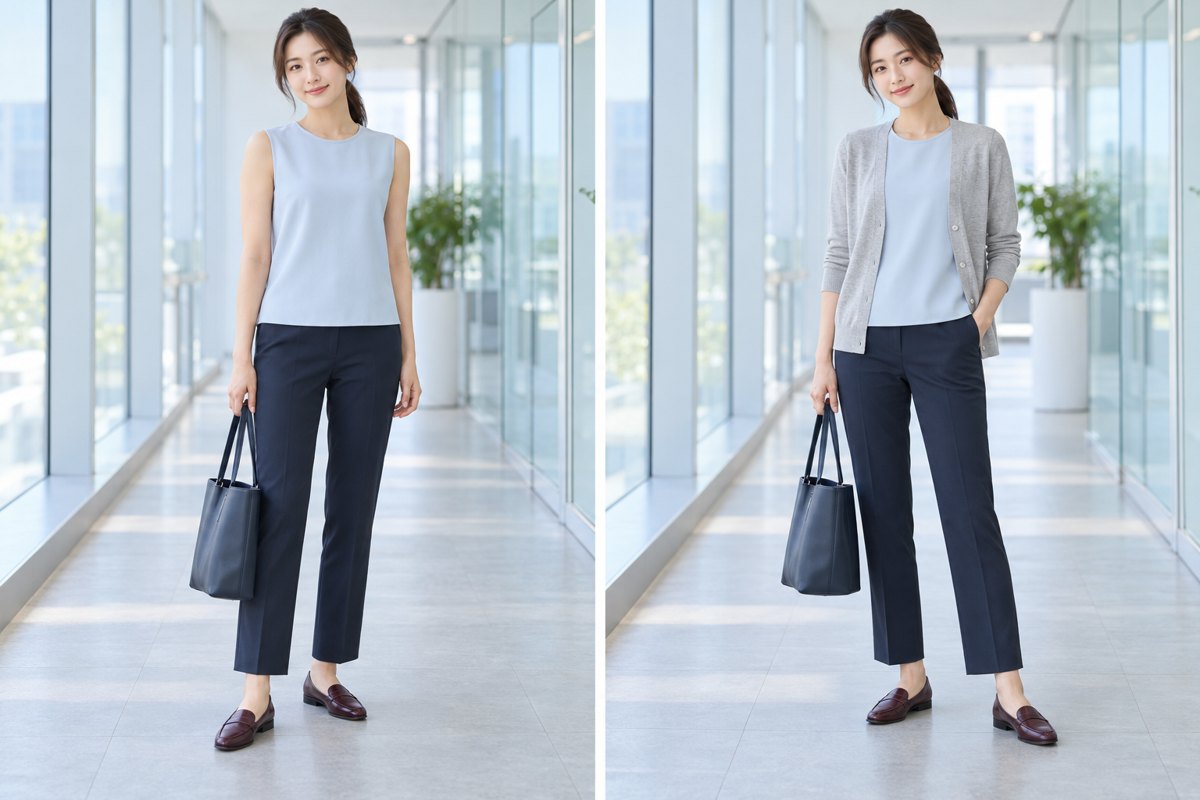
Try an opaque pale-blue shell with navy lightweight straight-leg pants, loafers and a light gray cardigan carried in your tote. The simple top keeps the waistband clear, while the cardigan lets you adjust for air conditioning. Use a short-sleeve blouse instead if sleeves are required.
This works for a summer office day where sleeveless tops are allowed. Check the shell in daylight and when leaning forward. A thin fabric that feels cool may also need an underlayer, so choose coverage and comfort together rather than relying on fabric color alone.
7. A shirt dress and flats for an easy summer morning
Choose a knee-to-midi shirt dress with closed-toe flats and a small structured tote. Buttoned cuffs and a collar provide detail without extra layers. Use its belt if you like a defined waist, or leave the shape straight if that feels better when seated.
It is an efficient option when matching separates feels like extra work. Check buttons at the bust and lap before leaving: a small gap can become larger when you sit. A pull-on dress with a cardigan is an alternative if a button-front cut never fits comfortably.
8. A short-sleeve knit and cropped tailored pants for hot commutes
Pair an ivory short-sleeve knit with olive ankle pants, dark brown loafers and a brown work bag. The close texture of the knit gives a softer surface than a shirt, while the pants keep a clear trouser shape. Repeat brown in the shoes and bag to connect the lighter top to the darker base.
Use this for ordinary summer workdays. If the knit feels heavy in humid weather, change to an opaque woven top. Keep any crop intentional and comfortable; there is no requirement to expose your ankle.
9. A turtleneck, straight pants and ankle boots for fall
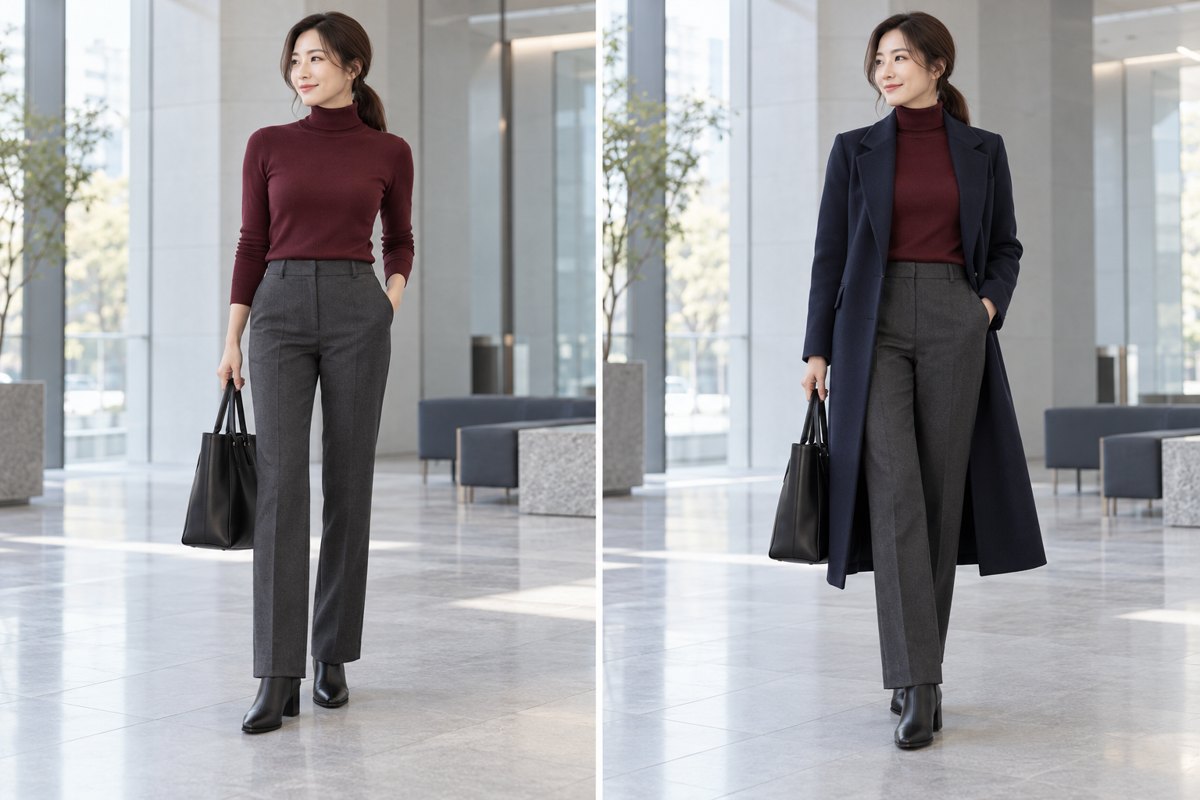
Wear a burgundy fine-knit turtleneck with charcoal straight-leg pants, black ankle boots and a dark tote. A navy coat can sit over the whole outfit. The deeper top adds color without introducing a busy pattern, while the straight leg keeps the boot transition clean.
Choose pants that sit over the boot shaft without bunching. A mock neck works if a full turtleneck feels restrictive. This is an indoor outfit with an outer layer for the commute; a thin sweater alone may not be enough for your local weather.
10. A cardigan, blouse and wide-leg pants for changing temperatures
Combine a cream cardigan, pale-blue blouse, chocolate wide-leg pants, dark loafers and a brown tote. A cardigan ending near the hip leaves more of the trouser line visible than a long draped version. Wear the blouse neatly untucked if tucking both layers feels bulky.
Use this on a cool morning followed by a warm afternoon. Remove the cardigan when needed without leaving a sheer or unfinished inner layer. For more formal meetings, change the knit layer to a navy blazer; you can keep the rest of the outfit.
11. A sweater dress and boots for a colder office
Try a navy midi sweater dress, opaque tights, flat or low-heeled boots and a structured bag, with a coat for outside. A dress with some ease through the body can be simpler to sit in than a clingy ribbed cut. Keep the boot shaft smooth under the hem.
This suits an office where knit dresses are accepted. Dense knits can become warm indoors, so a lighter dress with removable outerwear may be more adaptable. If tights are uncomfortable, use full-length pants and a longer knit top instead; the practical goal is the same.
12. A blazer and dark jeans for a denim-approved Friday
Wear a gray blazer with a blue shirt, dark straight-leg jeans, black loafers and a plain tote. The collar and structured layer make the denim feel more deliberate. Choose an undistressed wash and a hem that works with the shoe, rather than adding more tailored pieces to compensate for ripped or dragging jeans.
Use this only when denim is permitted, including on the particular day and with the people you are meeting. Swap to navy dress pants for a client meeting or an uncertain dress code. The blazer does not override either condition.
13. A simple knit and trousers with sneakers where allowed
Pair a gray crew-neck knit with navy tailored pants, understated clean sneakers and a compact work bag. A visible waistband or shorter top keeps the proportions clear above the casual shoe. Add a neat cardigan if you want another layer without the bulk of a jacket.
This is for sneaker-friendly workplaces and hybrid days, not a universal business casual formula. If you switch to loafers at your desk, check that the pant length works with both soles. A minimal sneaker can still be inappropriate where the policy excludes athletic footwear.
14. A blazer, blouse and dress pants for an explicitly business casual interview
Try a navy blazer, an opaque ivory blouse, gray tailored pants, closed-toe flats and a modest work tote. The defined jacket helps the outfit feel intentional without requiring a matching suit. Choose the neckline and sleeves you can comfortably leave alone while talking, sitting and gesturing.
Use this when the recruiter has confirmed business casual for the interview itself. If the employer expects business professional, wear the requested coordinated outfit instead. A usual jeans-friendly office may have a different interview standard; asking is more reliable than guessing from the company’s social photos.
15. A column of navy with a contrasting jacket for presentation days
Wear a navy shell and navy pants under a gray blazer, with burgundy loafers and a structured tote. The continuous base makes the jacket the main frame and reduces visual competition with your face. A solid-color dress under the same jacket offers a similar effect if you prefer one piece.
This suits a presentation or a slightly dressier meeting where separates are appropriate. Check how the top and jacket sit with a microphone or lanyard if one is needed. A matching suit remains the better choice when the event specifies more formal dress.
Are jeans, leggings, sneakers and sleeveless tops business casual?
Jeans are conditional, leggings are not a safe default, and sneakers or sleeveless tops depend on the workplace. Look for an explicit policy or ask someone who can explain it. One colleague’s outfit does not necessarily describe the standard for your role, shift or meeting.
For jeans, start with formula 12 only after denim is approved. For leggings, do not assume a long cardigan turns activewear into dress pants. If you like stretch, choose opaque knit trousers with a shape and waistband you would be happy to wear without a covering layer.
Sneakers can make sense in a relaxed office, but shoe rules may also reflect the tasks you do. A fashion flat is not a substitute for required protective footwear. Sleeveless shells can work where accepted; bring a light layer if you want more coverage in meetings or a cooler room. These are practical choices, not rules about who has the right body to wear a garment.
Which shoes and bags finish a work outfit?
Start with the day’s walking and standing, then choose the shape. Loafers give soft knits and dresses a firmer finish; simple flats keep wider trouser legs visually light. Low heels are an option if you like them, not a requirement. Our loafers guide is a shopping starting point when you need that role filled. No style name guarantees comfort for your foot.
Check the bag against what you actually carry. A tote may work for a laptop day; a smaller shoulder bag may be enough when the computer stays at the office. Compare the device’s outer measurements and case with the bag’s opening and usable compartment, rather than assuming a diagonal screen size proves fit. See the work-bag guide for options and carrying trade-offs.
You do not have to match every accessory. Repeating one color, such as burgundy shoes with a burgundy bag, is an easy starting point. Black shoes with a brown bag can also work when the rest of the outfit feels coherent. Keep functional details, such as a secure closure or manageable straps, ahead of exact color coordination.
What should you check before leaving home?
Choose a formula for the actual day, including weather, meetings and travel. Look at the whole outfit while seated and moving, not just standing. Adjust hems to the shoes, check opacity, and take a removable layer if your commute and office have different temperatures.
Avoid solving every fit issue by sizing up or adding a blazer. A shirt that pulls may need a different cut; a long pant hem may need hemming; an itchy knit may need replacing with a texture you tolerate. An outfit should let you concentrate on the work. Start with one reliable combination and change a single element as you learn the office’s habits.
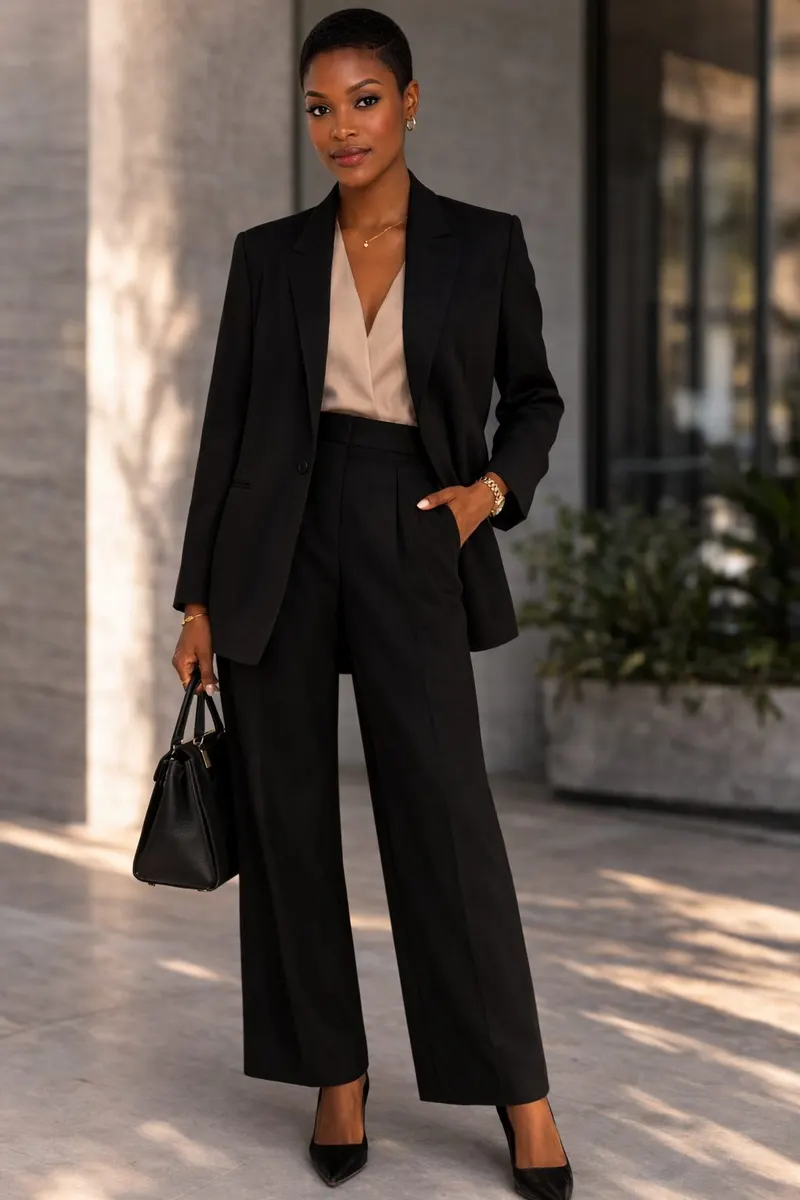
For visual examples, compare the defined outline of this black blazer and wide-leg trouser look with the softer shape of this navy knit polo and tailored pants look. These are AI styling concepts, not records of tested retail outfits. Use their proportions as ideas, and choose shoes and coverage for your own workplace.
Explore the Office Ready collection for more visual starting points, or browse our clothing guides when one specific wardrobe gap needs attention.
How we chose
We reviewed US university career guidance on workplace dress and developed 15 adaptable outfit formulas around proportion, formality, season and daily tasks.
Criteria
- Clear distinction between everyday business casual and interview expectations.
- Repeatable combinations with shoe, bag and layering substitutions.
- Options for warm weather, colder commutes and hybrid work.
What this guide is not
- These are researched styling suggestions, not firsthand outfit or product wear tests.
- Employers set their own dress codes; no formula guarantees acceptance in a particular workplace.
- Illustrations show generic AI-generated clothing, not verified retail items or evidence of fit.
Frequently asked questions
Are jeans business casual for women?
Only where the employer allows denim. A dark, non-distressed straight-leg pair with a shirt and loafers is a useful option in a denim-friendly office. Check whether client meetings have different expectations, and choose dress pants when you do not know the policy.
Are leggings business casual?
Do not assume they are. Leggings usually read as activewear, even under a long top. If your workplace has not explicitly approved them, choose knit dress pants with an opaque fabric and a trouser silhouette instead.
Can you wear sneakers in business casual?
Yes, in offices that permit them. A clean, understated pair with tailored pants is a useful starting point, but a minimal design does not override a no-sneakers rule. Keep loafers or flats available if meetings call for dressier shoes.
Are sleeveless tops business casual?
They can be where permitted. Try an opaque shell with a neckline and armholes that stay comfortable and covered as you move, paired with dress pants or a skirt. Bring a cardigan or blazer for air conditioning or meetings that call for another layer.
What should I wear to a business casual interview?
Confirm the interview's dress code with the recruiter. If business casual is explicitly requested, a blazer, opaque blouse or knit, tailored pants and closed-toe flats or loafers are a useful starting point. An everyday casual office may still expect a suit for interviews.
Are cardigans business casual?
A cardigan can work with a blouse or fine knit and tailored bottoms. Choose a shape that sits neatly at the shoulder and does not pull at the buttons. Use a blazer when you want a firmer outline or the meeting calls for more formal tailoring.
Styling inspiration
Sources
- Stylen editorial policy (accessed 2026-10-18)
- American University Career Center: Professional Image (accessed 2026-10-18) — Workplace and event expectations, asking about dress codes, comfort, budget and hybrid work.
- University of Tennessee: Professional Clothing Options (accessed 2026-10-18) — Business casual separates and shoes, employer variation and more formal interview expectations.
Related articles
-
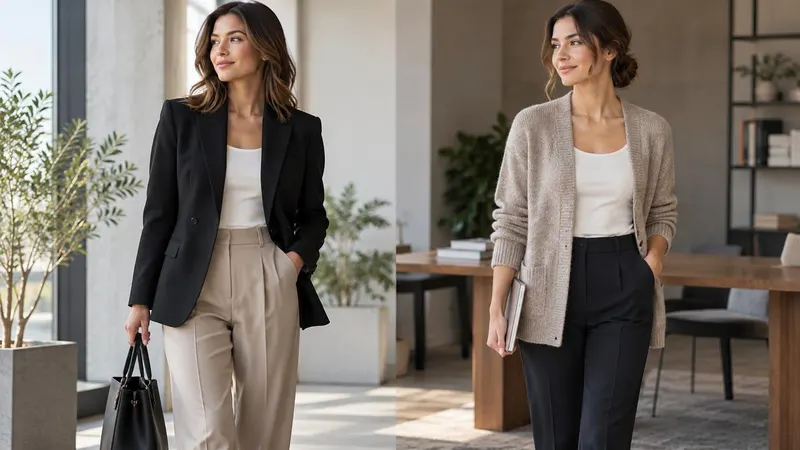 Clothing Blazer vs Cardigan for Business Casual: When Should You Wear Each? A blazer sharpens business casual with structure; a cardigan softens it with comfort. Use your workplace formality, schedule, and preferred silhouette to decide.
-
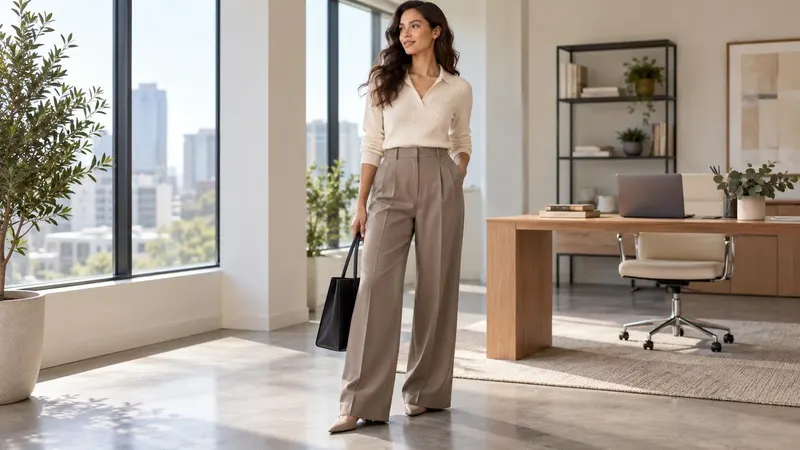 Clothing Best Wide-Leg Work Pants for Women Under $50 Wide-leg work pants can look sharp without feeling restrictive. These under-$50 options cover fluid pull-on styles, pleated tailoring and stretchier silhouettes for long office days.
-
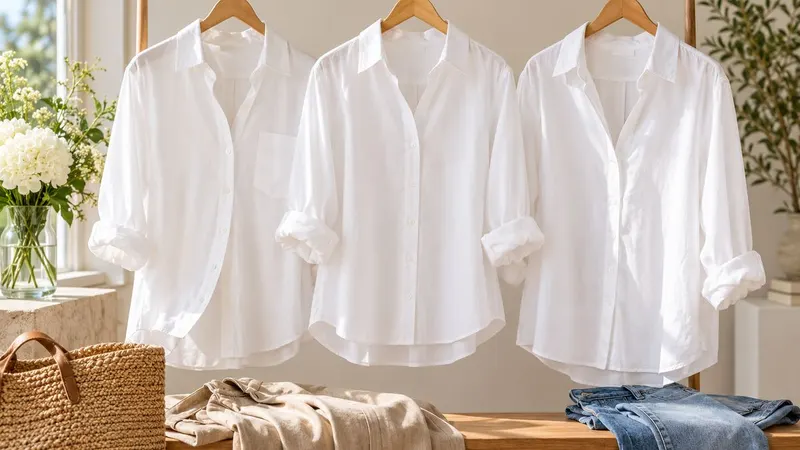 Clothing Best White Button-Down Shirts for Women Under $40 The best white button-down under $40 depends on whether you value crisp cotton, easy-care stretch, a shaped waist or an airy relaxed layer. We compare eight useful directions.
-
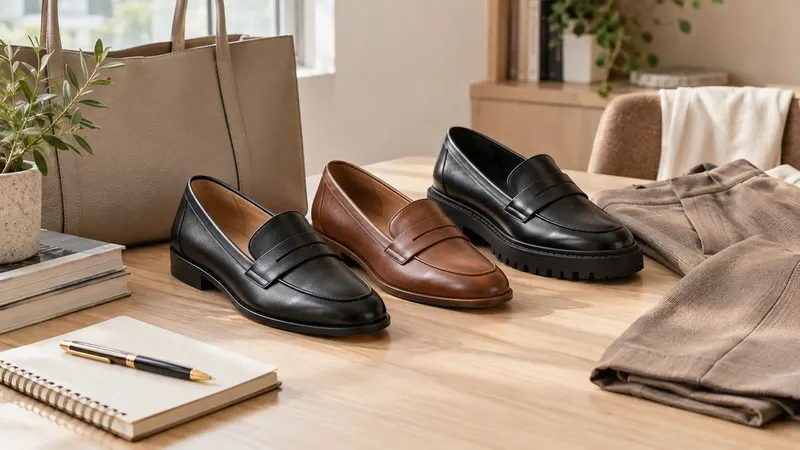 Shoes Best Women's Loafers Under $60 for Work and Everyday Wear The best women's loafers under $60 balance polish with realistic everyday comfort. We compare classic flats, pointed toes and chunkier soles for work, commuting and off-duty wear.